Discover the St. Williams Conservation Reserve
By Sue Graci, Vice Chair, St. Williams Conservation Reserve Community Council
Have you ever arrived somewhere and then wanted to explore another, entirely different area, right across the street? That might happen if you visit the fabulous Turkey Point Provincial Park in Norfolk County. The provincial park itself has it all: hiking and biking trails, camping sites that are private and serviced, and it is close to Lake Erie’s shoreline for swimming. Parking at the beach is included in your entrance fee and it’s only a 2-minute drive from the park! But across the road from the Turkey Point Provincial Park entrance is one of two locations of the St. Williams Conservation Reserve. Ontario Parks also has oversight on the reserve, but it is a very different kind of experience. This was Ontario’s first tree nursery. And it is worth exploring. Let me tell you why!
Let’s start with a bit of history about Norfolk County. This area has Carolinian forests, which are very rare to find so far north. Some of the trees, plants, and animals found here are not found anywhere else in Canada.
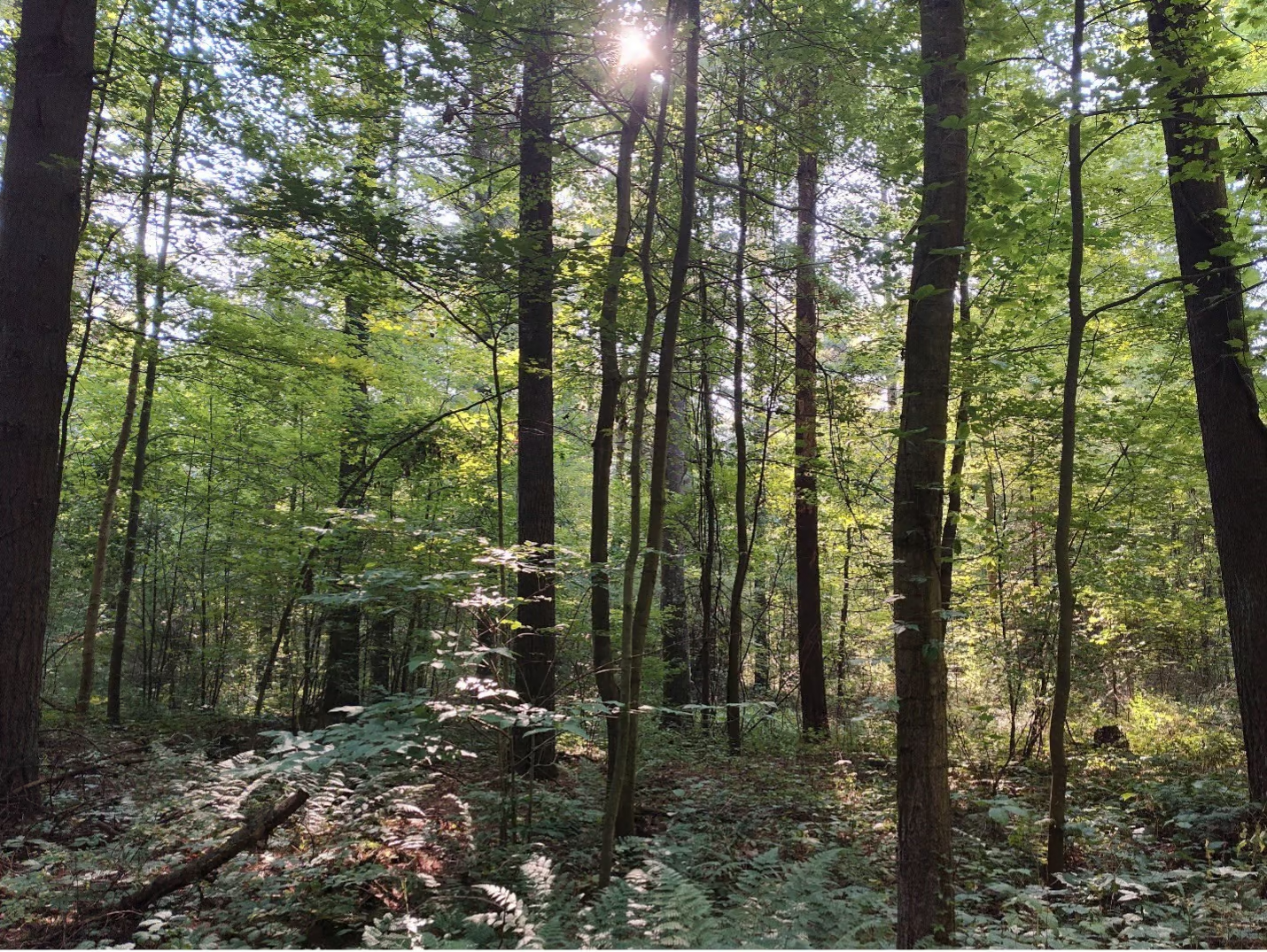
When Norfolk County was first settled back in the 1700s, the heavily forested area was not good for farming, and this was important if settlers were to be attracted to the area. The first order of business for settlers was to clear their land of the heavy forests and bush; it was not a choice – it was the law. They would then farm the cleared land.
The problem with that approach was Norfolk’s sandy soil – without the forests, there was nothing holding down that soil. And so, the earth blew away in the wind – a LOT of it. This resulted in parts of Norfolk County literally becoming deserts. Picture sand dunes from a desert – it looked like that in some places! No vegetation was left in some areas and there were frequent blow outs – hollows left in the ground where sand has been blown away due to a lack of vegetation (plants like trees and shrubs) and those all-important roots.
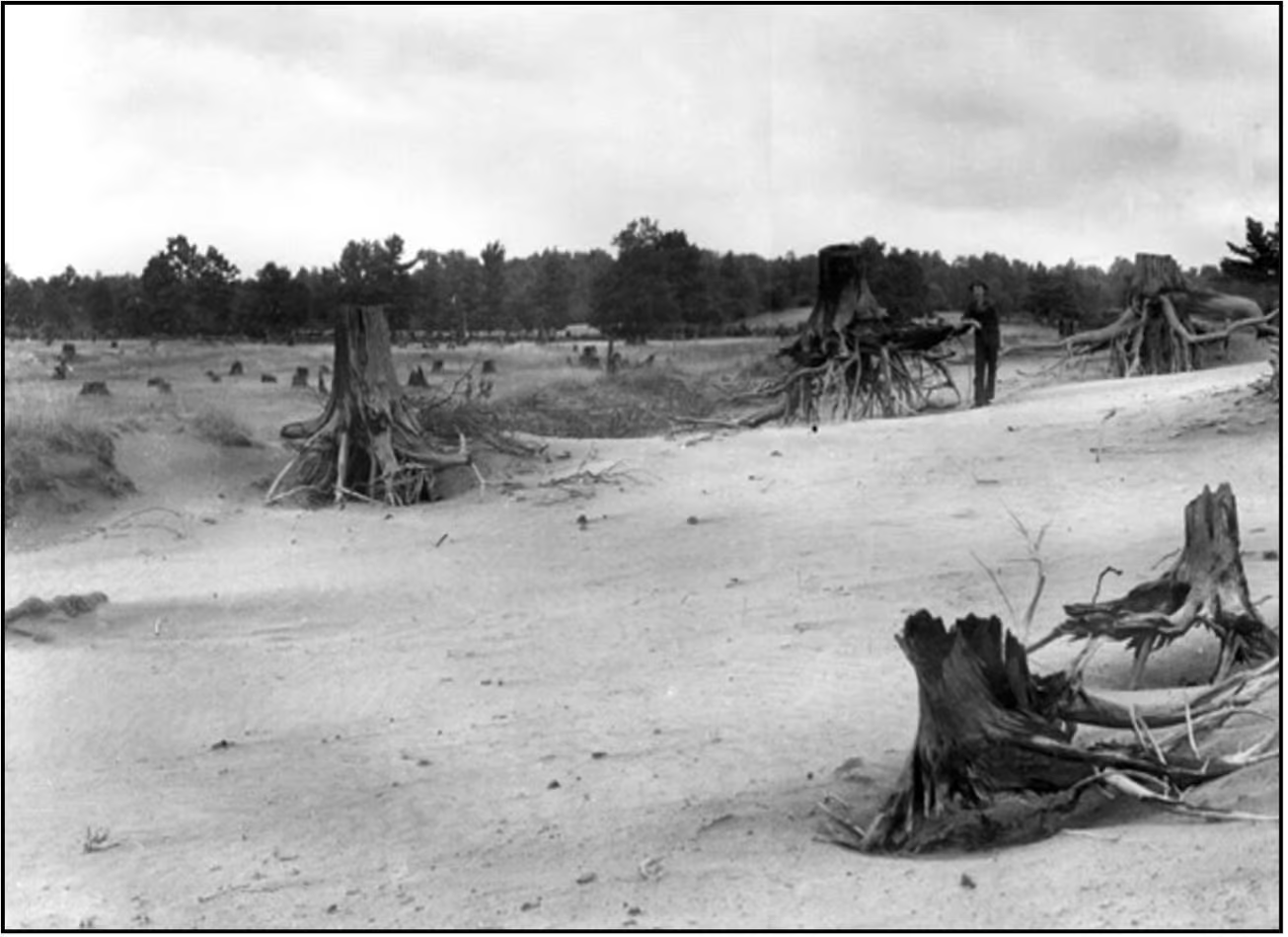
This was not a consideration back when the European settlers arrived to make a new life for themselves. They cleared the land, then farmed the land, then realized, far too late, that their farming practices were causing the loss of the very soil they needed to survive.
This didn’t just happen in Norfolk County; it happened across Ontario. With the removal of most trees, the entire province was suffering. Areas that were not even good for farming were cleared of the forests just because they were there. Forest fires were commonly used to be rid of what were thought of as pesky trees. But without trees, parts of Ontario became wasteland.
It was here in Norfolk County that a solution was found – and grown. Trees were the solution. Their roots conserved both soil and water, they offered habitat to wildlife, their lumber was used in building, and they, of course, produced oxygen. So, to reverse the trend towards making more deserts, trees had to be reintroduced where they had been so ruthlessly cut down.
The St. Williams Forestry Station, the first tree nursery in Ontario, was created in 1908, over a hundred years ago! Nurseries grow plants and, in this case, they grew white pine, Scots pine, and spruce trees; in the beginning, the seedlings were available for free to any Ontario district in need of reforestation. Scots pines are not native to Ontario and are considered invasive, meaning that they take over areas and crowd out native species. This is something that wasn’t considered when the first seedlings were planted.
The St. Williams Conservation Reserve has two areas of land under its management: the Turkey Point Tract (also known as the White Tract), close to Turkey Point Provincial Park, and the Nursery Tract (also known as the Zavitz Tract), which is about a 15-minute drive from the Turkey Point Provincial Park. They both have walking and biking trails that are clearly marked, as well as trails that horses and/or ATVs (all-terrain vehicles or four-wheelers) can use.
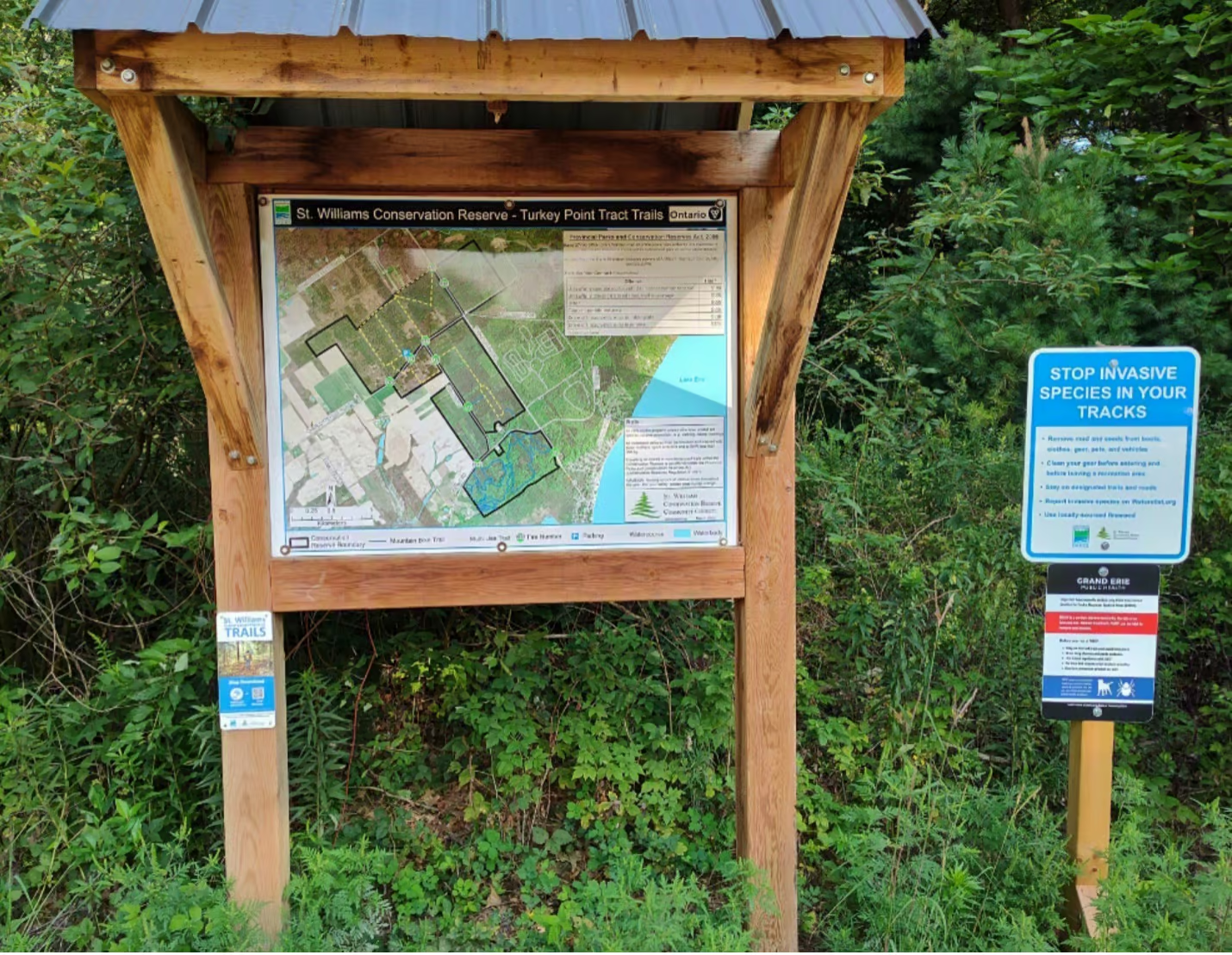
What makes the St. Williams Conservation Reserve (the CR) so different from many other parks is the reason that it exists at all. The main goal at the CR is the preservation and restoration of the natural habitat (ecological integrity), which is common with other Ontario Parks. But there are recreational activities like hunting and ATV and dirt bike trails that you won’t find in most Ontario Parks. There are no fees to use the CR and no camping. These areas are open to the public during daytime hours only.
The signage on each trail indicates which uses are permitted. This is needed to ensure that diverse users can enjoy using the marked trails without harming the environment.
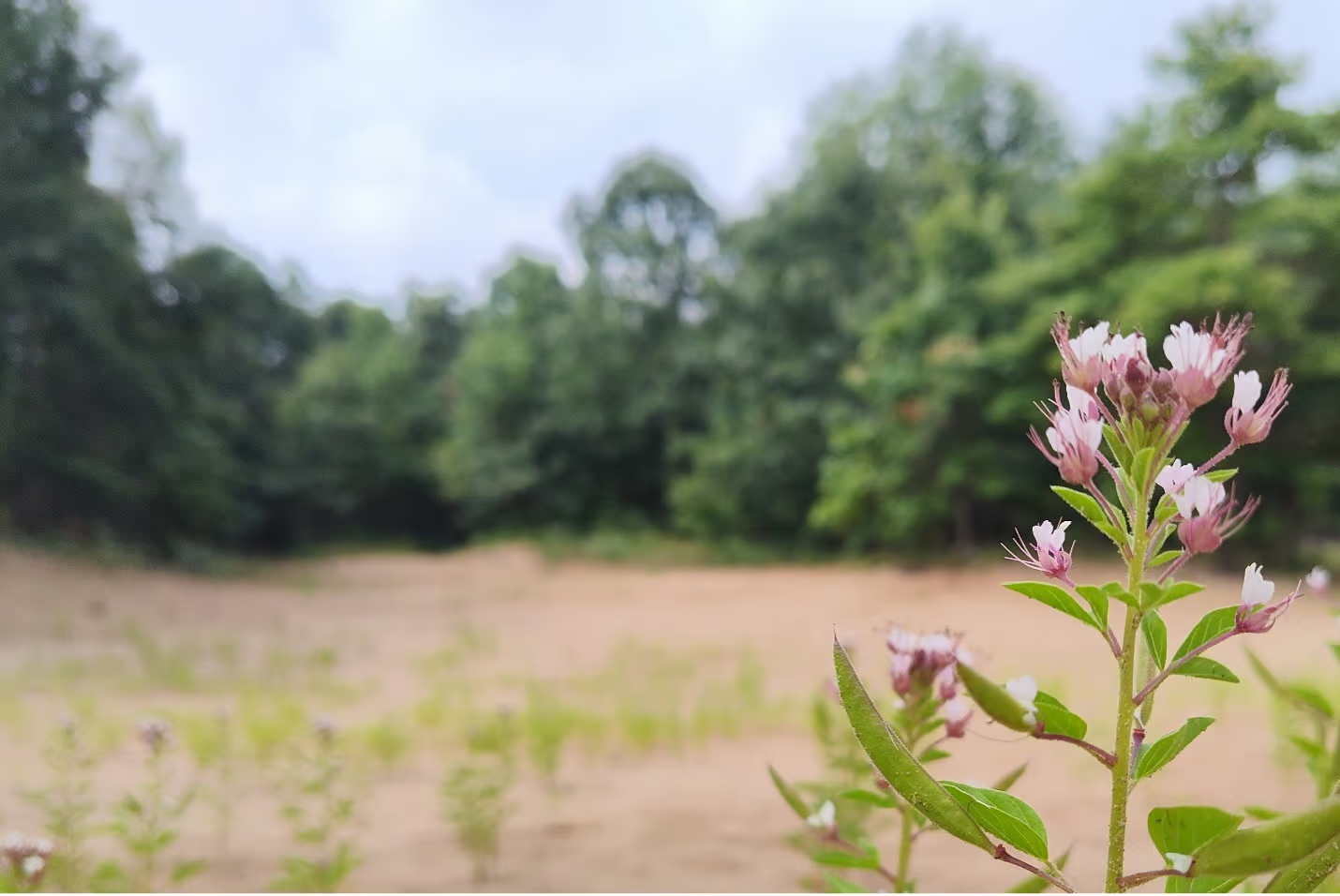
The St. Williams Conservation Reserve Community Council is working to protect Species at Risk and to restore the vegetation to what existed here a few hundred years ago. Sometimes that can be done by removing the planted pine trees and letting nature do most of the work. But often additional help is needed to add in plant or wildlife species that have disappeared or control plants that are not native to this area or that are overabundant.
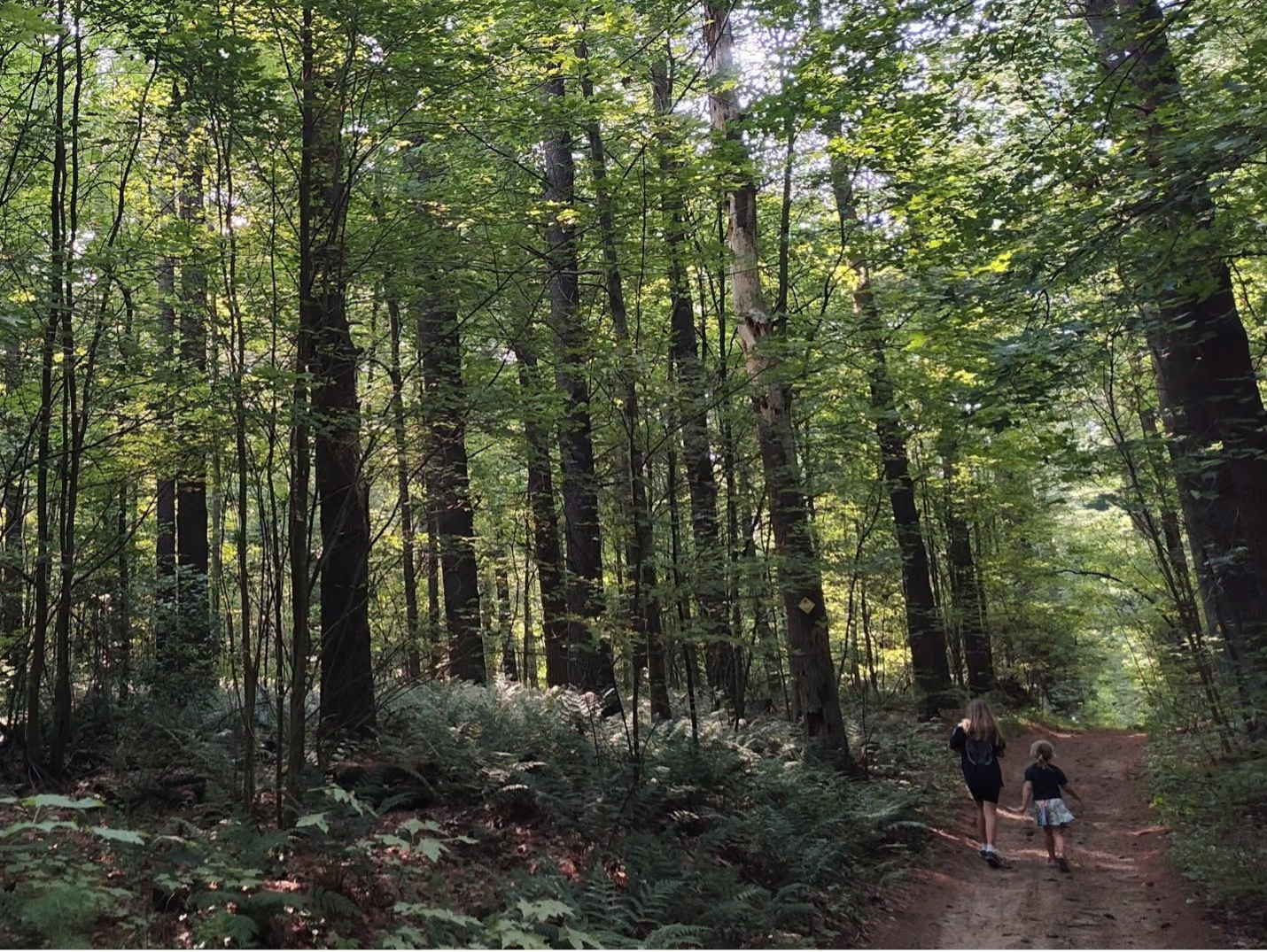
By doing this, we are bringing back the land to what it was like before it was settled.
So, you can take a hike through parts of the CR to see what a Carolinian forest or an oak savanna or even a sand barren is like. And step back in history.
Want to experience the Conservation Reserve for yourself?
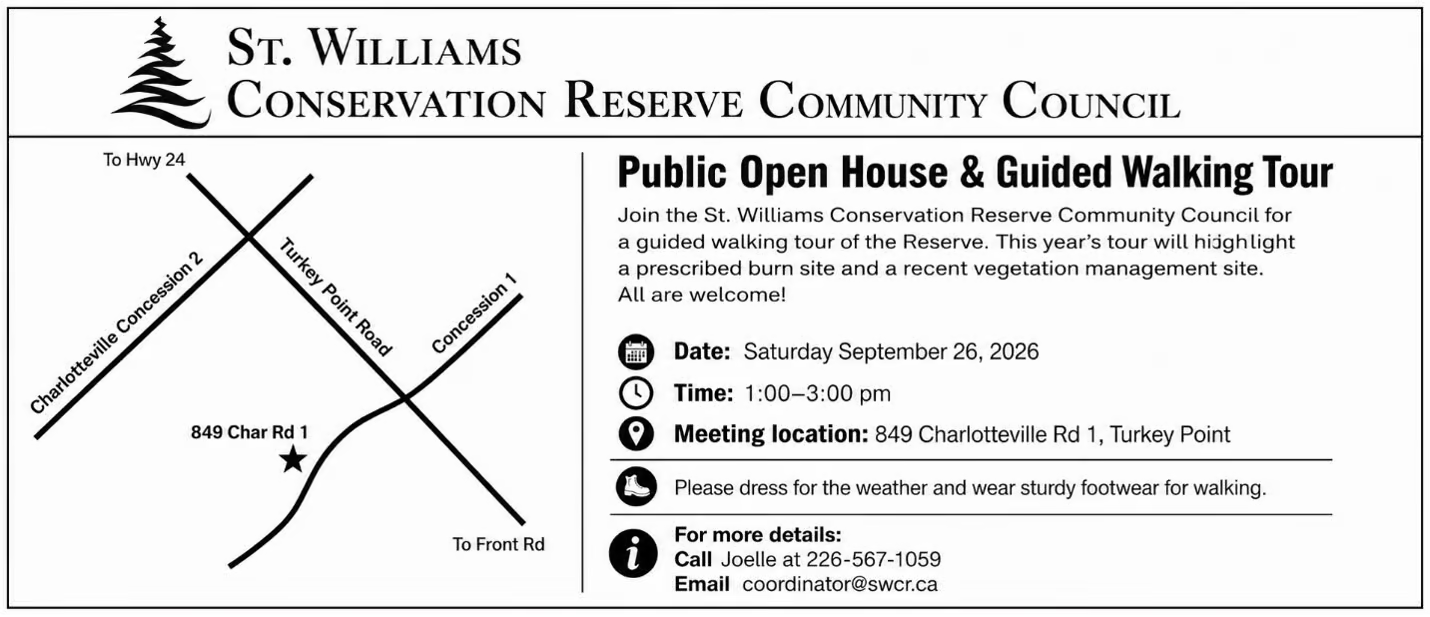
Join the Community Council for our Public Open House and Guided Walking Tour on Saturday September 26, 2026 from 1:00pm to 3:00pm. This year’s tour will highlight a prescribed burn site and a recent vegetation-management site. All are welcome!